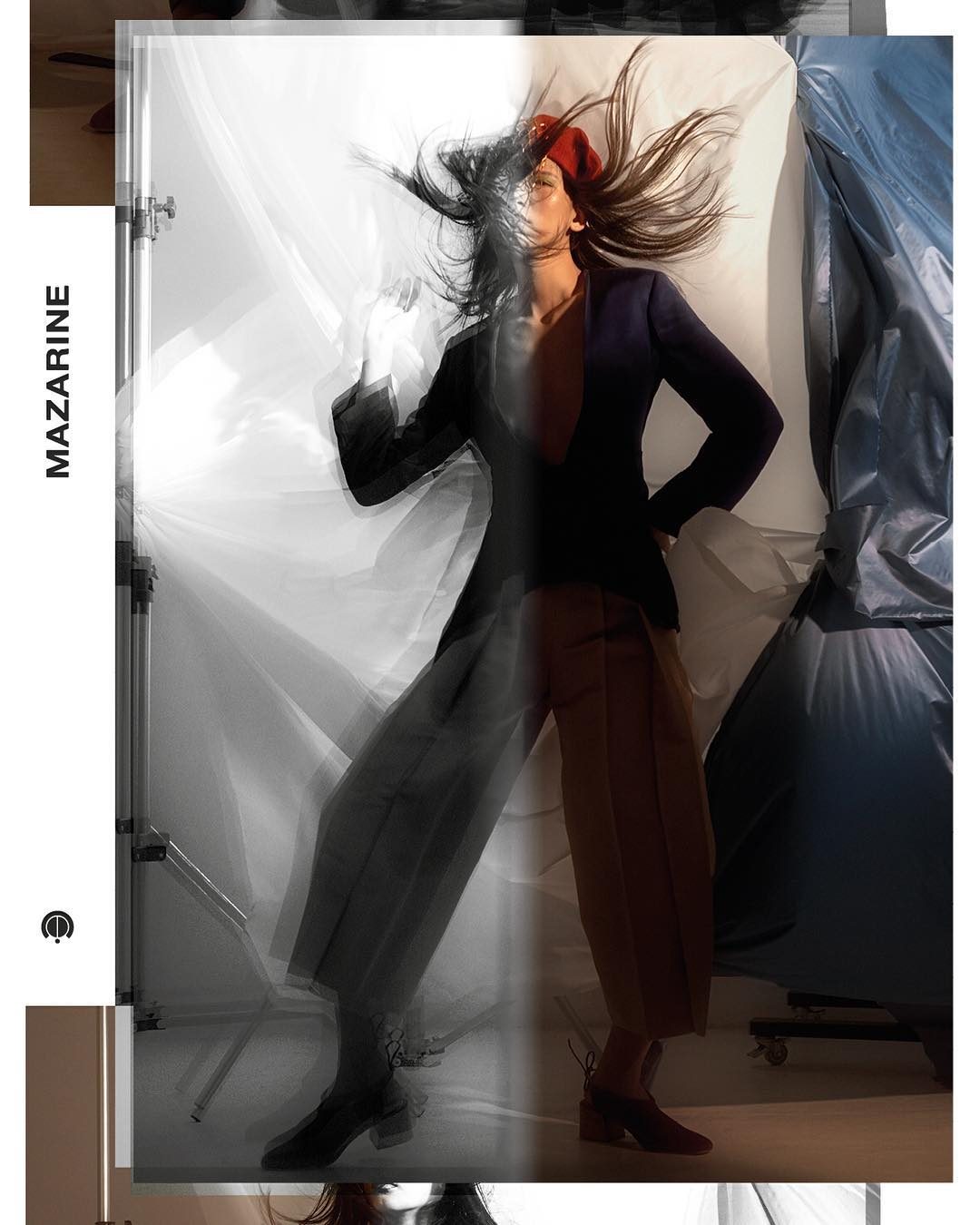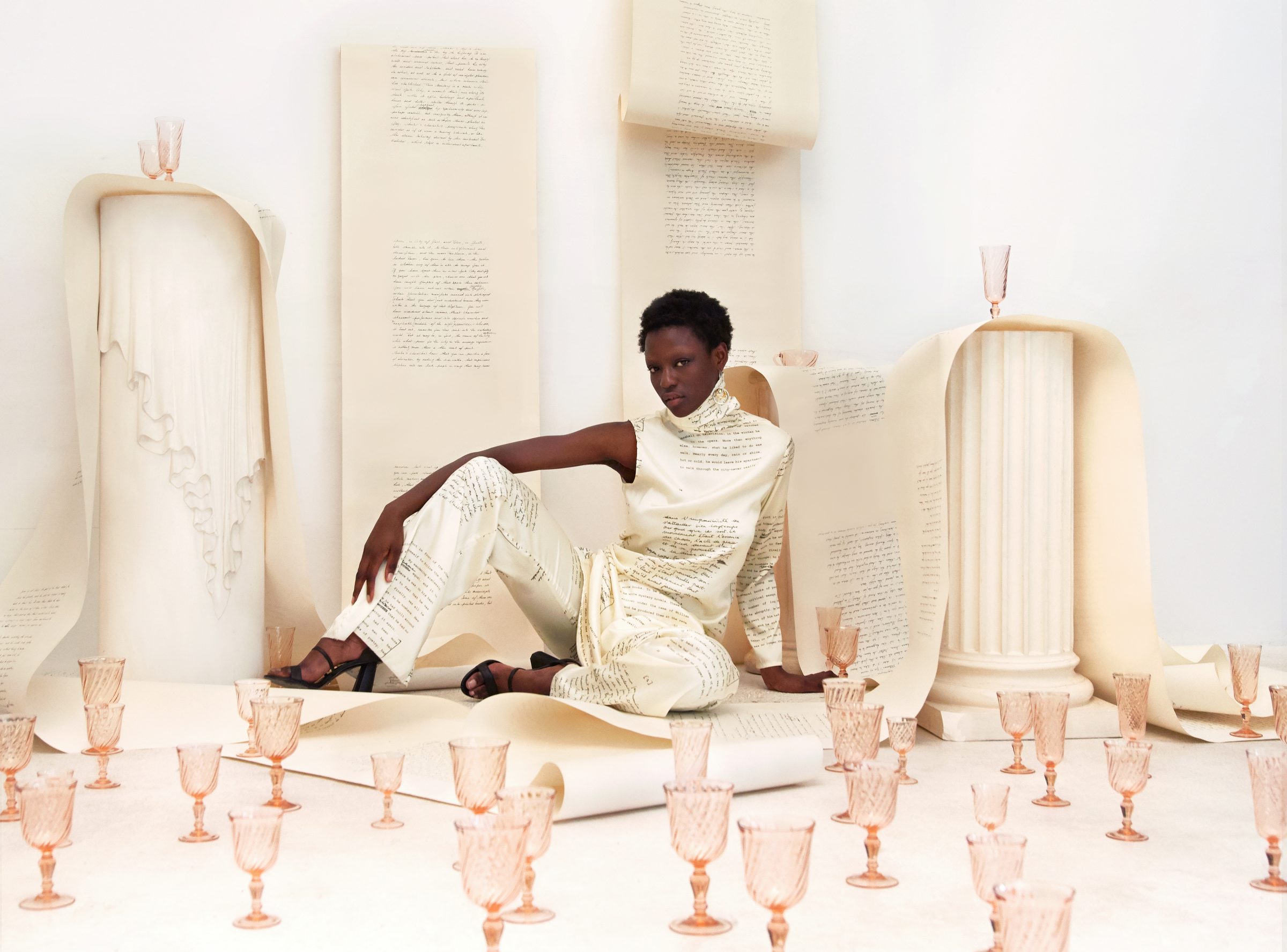
Long before Bleu Paris existed, there was Mazarine.
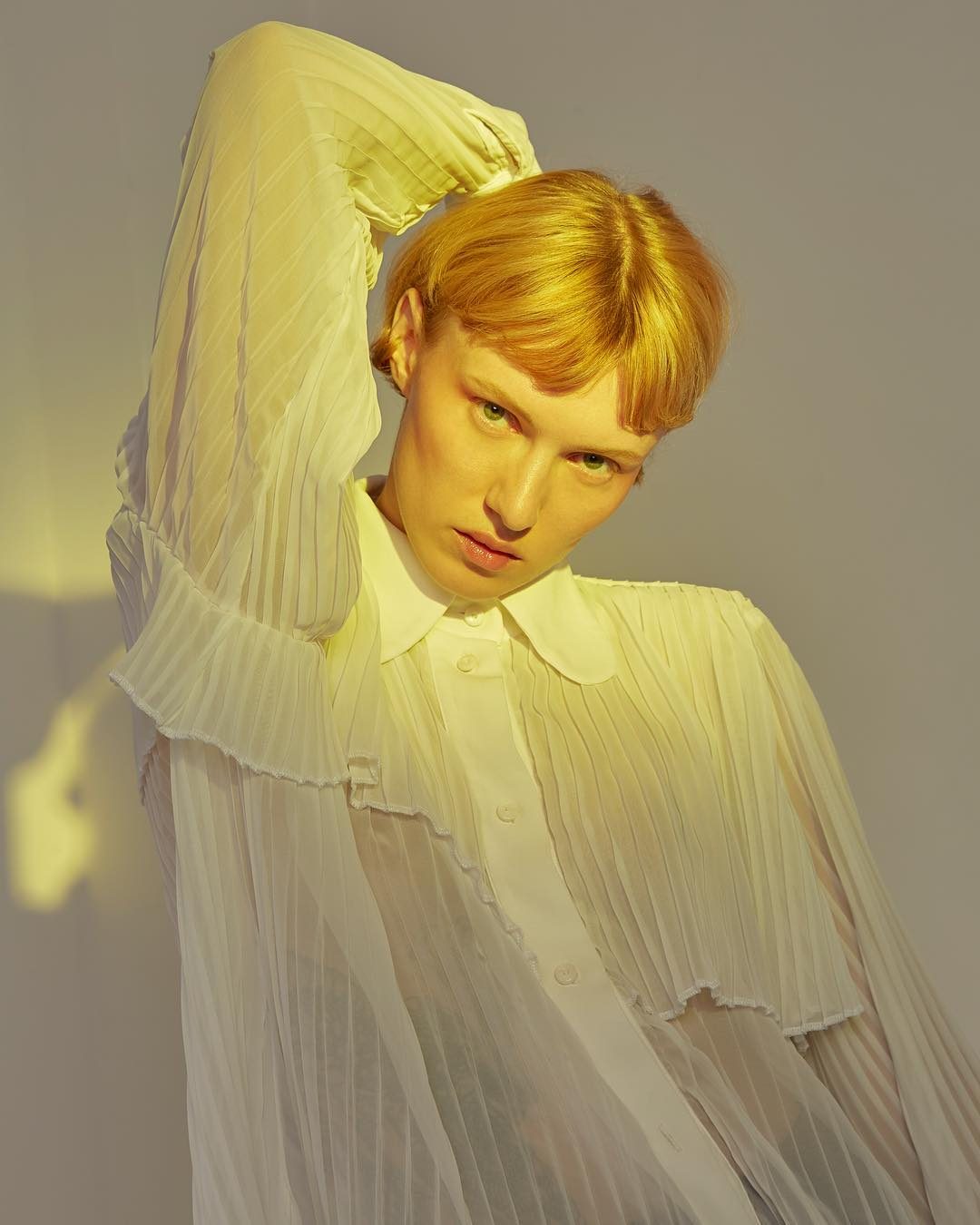
In late 2015, Hélène Timsit and Quentin Poisson — who would later co-found Bleu Paris — launched a French ready-to-wear couture house in Paris. Within months, Mazarine won the Grand Prix de la Création of the City of Paris in the young designers category, joined the Fédération de la Haute Couture et de la Mode, was supported by the Ministry of Culture, and was included in the official Paris Fashion Week women's calendar.
Six years of building universes.
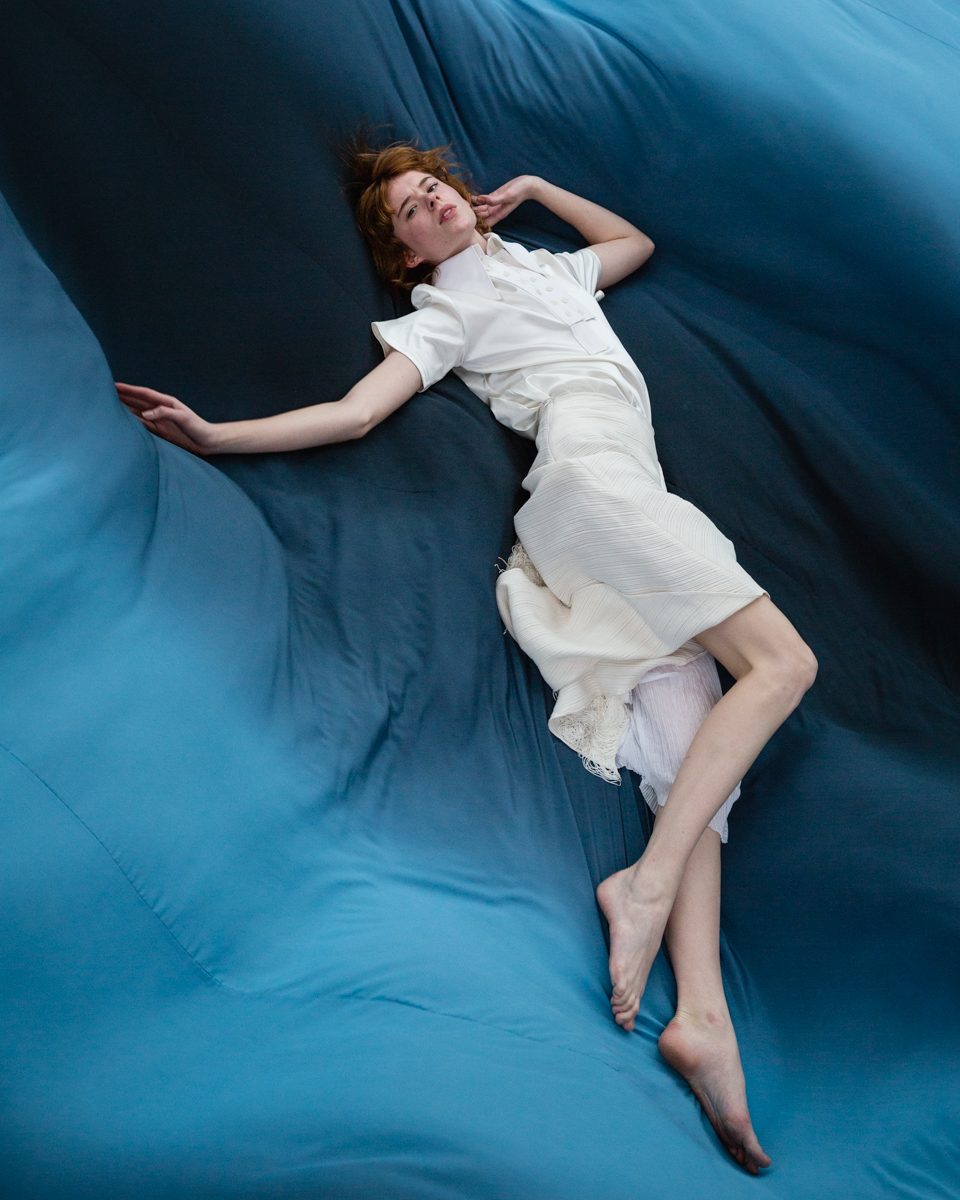
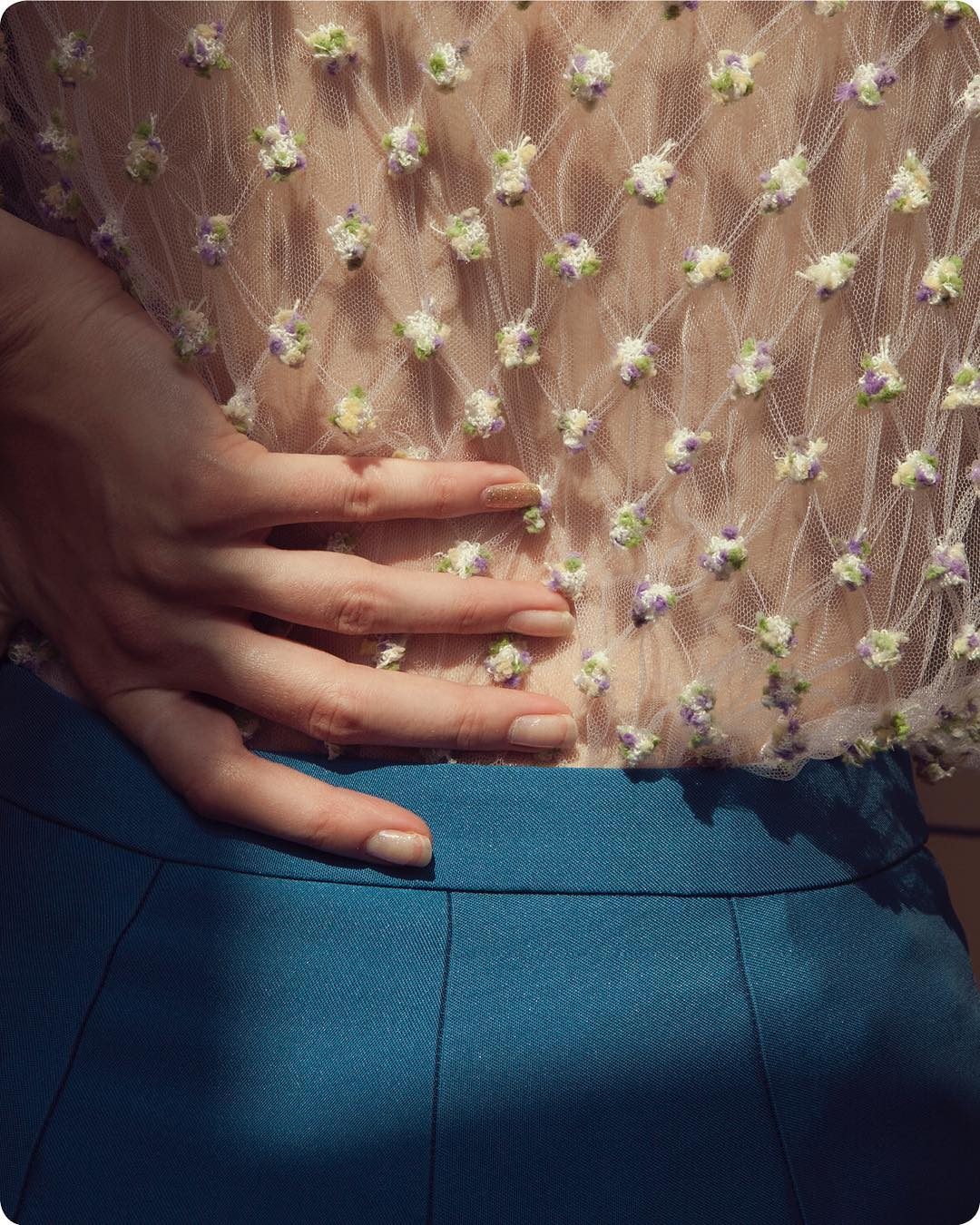
Between 2016 and 2021, Mazarine produced two collections a year, following the classical fashion calendar. Each one a new universe, worn through the seasons by clients who came back for the next chapter.
This was the school. Six years of doing everything that matters in building a brand: art direction, design, fashion show production, scenography, photography, copywriting, sales, press relations, international expansion. Hands-on, season after season, with no agency in between.
Le Petit Prince, Palais de Tokyo.
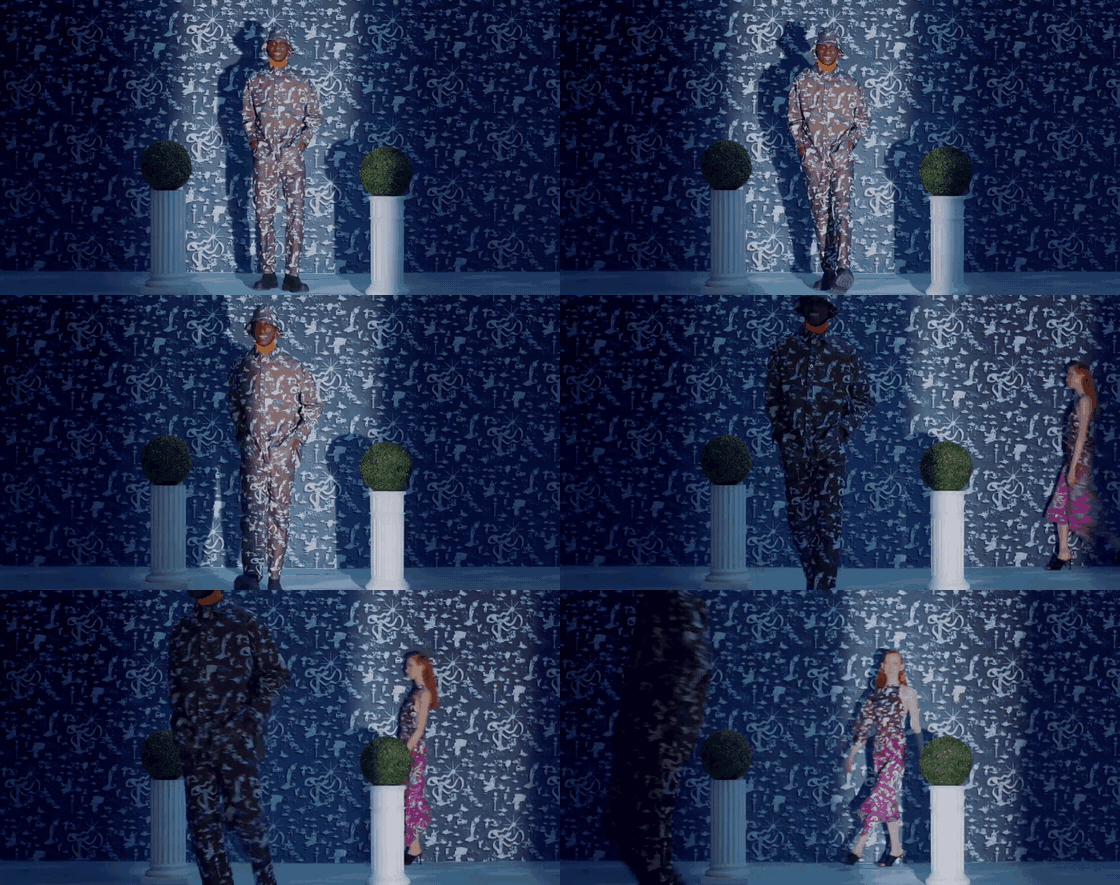
The moment that captured it best came in February 2020. For its Fall-Winter 2020 collection, Mazarine took Saint-Exupéry's Le Petit Prince as inspiration and presented at Palais de Tokyo during Paris Fashion Week. Opened by dancer Salif Gueye, it was Mazarine's first co-ed collection — disproportionate volumes, anise greens and celadon, airmail uniforms and 1990s tailoring. A journey into an imaginary world tinged with dream and discovery.
It was also, quietly, the moment when an idea began to take shape: this way of building universes from inside-out — with discipline, restraint, and a particular kind of poetry — could be brought to other houses too.
From Mazarine to Bleu.
Bleu Paris was founded in early 2020 and officially launched at the end of 2021, just as Mazarine moved into a quieter phase. But every Bleu project carries a piece of that school: the patience to build a universe slowly, the trust in restraint, the belief that a brand is made of every detail you choose to keep.
Mazarine, in many ways, was where Bleu learned to listen.